Professional Fence Installation Services for Residential and Commercial Properties
Custom fencing installation options serve an essential role in enhancing both residential and commercial properties. They deliver security, privacy, and curb appeal while establishing clear property boundaries. With a wide range of materials to choose from, property owners can choose solutions suited to their specific needs. Professional installation guarantees compliance with local codes. Still, the value reaches well beyond the installation itself—knowing how to select the appropriate design and material can significantly influence the property's worth. Which factors should property owners evaluate when making these selections?
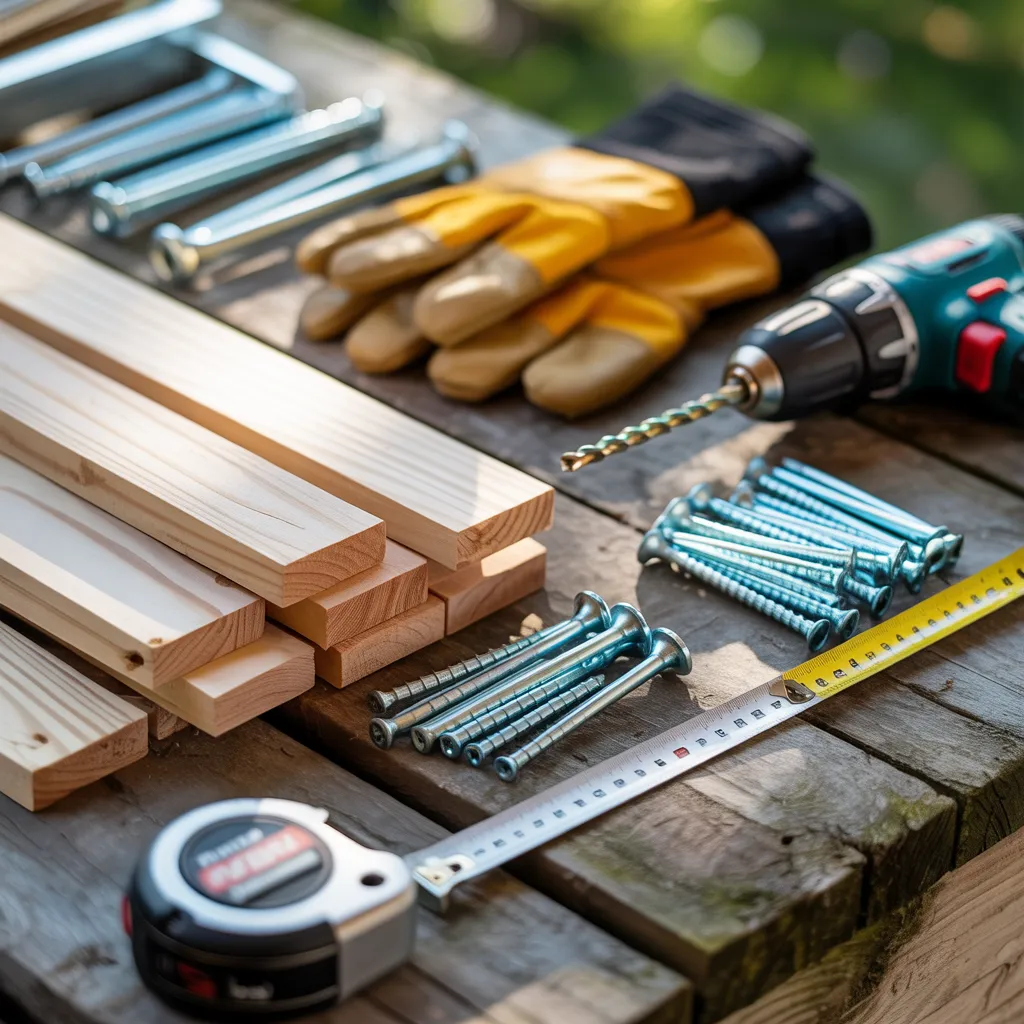
Why Custom Fencing Is Vital for Your Property
When considering property enhancements, most homeowners discover that custom fences are more than just a visual decision but a worthwhile investment. Custom fences deliver multiple benefits that reach further than visual appeal. They enhance security by forming a tangible barrier that prevents unwanted visitors and keeps children and pets safe. Furthermore, these fences provide seclusion, permitting homeowners to relish their outdoor spaces without prying eyes.
In addition, custom fences can define boundary lines, reducing disagreements with neighbors and maintaining conformity with local codes and ordinances. They further add to the general market value of the property, increasing its attractiveness to prospective buyers.
From a functional standpoint, custom fences can be constructed to fulfill unique demands, such as entry gates for seamless access or elements that improve landscape design. Ultimately, choosing a custom fence stands as a sound decision that serves multiple purposes, elevating both the property's utility and the property's visual charm.
Comparing Popular Fencing Materials: Wood, Vinyl, and Metal
When evaluating fence materials, vinyl, wood, and metal each provide distinct advantages and disadvantages. Financial comparisons show notable distinctions in initial investment and long-term upkeep costs. Recognizing these elements can enable property owners reach well-informed choices suited to their specific needs.
Benefits And Drawbacks
A variety of fencing materials, such as wood, vinyl, and metal, all present specific pros and cons that tend to shape the preferences of a homeowner. Wood is often favored for its timeless beauty and adaptability but calls for ongoing attention to guard against decomposition and insects. Vinyl, alternatively, is low-maintenance and resistant to fading and pests, rendering it a reliable long-lasting choice; however, it may lack the traditional appeal of wood. Metal barriers, such as aluminum or wrought iron, ensures solid security and extended lifespan but can be more expensive and could demand intermittent care to resist oxidation. All materials display their own attributes, allowing homeowners to weigh their specific needs and preferences when identifying the most suitable fencing choice.
Cost Analysis
As homeowners commonly emphasize appearance and practicality when choosing fencing options, expenses remain a key element in the evaluation process. Timber fencing commonly provides a reduced initial expenditure yet demands regular upkeep, potentially driving up total expenditures. In contrast, vinyl fencing, despite its higher initial cost, deliver resilience and reduced upkeep requirements, making them an economical option in the long run. Metal fencing, including aluminum and steel, generally demands a more substantial initial expense yet is well known for its durability and ability to withstand weather conditions, thus minimizing long-term repair expenses. Ultimately, the overall investment—considering setup costs, maintenance needs, and longevity—ought to direct property owners when determining the ideal fence material for their residential or commercial properties.
Selecting the Best Fence Design for Your Yard
Choosing the right fence option for a yard can considerably elevate both the visual appeal and practicality of a home. Property managers and homeowners must evaluate several considerations when selecting a style, including the intended purpose of the fence, local regulations, and the design aesthetic of the property. Privacy fences, for example, are well-suited for creating private outdoor areas, while picket fences often enhance the visual appeal of the home and provide a welcoming aesthetic.
Material selection plays a considerable role as well; wood provides a classic appearance, while vinyl or metal can provide durability and low maintenance. Additionally, colors and styles should complement the surrounding landscape and existing structures. Ultimately, the right fence design not only defines boundaries but also contributes to the overall character of the property, making deliberate choices crucial for accomplishing the desired results.
Why You Should Opt for Professional Fence Installation
Going with professional fence installation ensures that the undertaking is carried out with expertise and attention to detail. Expert installers hold the required expertise and knowledge to navigate the challenges of diverse fencing materials and configurations. They understand regional building requirements and zoning laws, guaranteeing adherence and preventing possible legal complications.
Moreover, hiring experts often ensures a speedier installation process, as they have access to professional-grade tools and supplies. Such proficiency not only saves time but also decreases disturbance to the client's daily activities. In addition, skilled technicians can offer helpful guidance and suggestions suited to the specific needs of the space, elevating the quality of the outcome.
Finally,choosing expert services frequently includes guarantees, offering peace of mind regarding the lasting quality and durability of the fence. To summarize, choosing professional fence installation is a wise decision for both residential and commercial properties, delivering a high-quality outcome.
In What Ways Does Custom Fencing Improve Security?
Custom fences serve a vital purpose in improving security across both residential and commercial properties. By establishing a physical barrier, it deters trespassers and unauthorized access. The height, material, and design of custom fences can be tailored to meet specific security needs, making it difficult for intruders to climb over or break through.
Furthermore, a wide range of customized fencing solutions can be fitted with advanced security features, such as access points outfitted with surveillance cameras, motion sensors, or locks, providing an additional layer of protection. The appearance of a solidly built fence can additionally serve as a strong visual warning, causing properties to become far less attractive marks for unlawful activities.
Moreover, custom fencing is able to be engineered to block sightlines into the property, minimizing the intelligence that would-be intruders may collect. All things considered, choosing custom fencing considerably improves the security stance of any property, providing reassurance for both owners and residents.
Boosting Curb Appeal With Custom Fencing
A thoughtfully planned fence can markedly elevate the curb appeal of a property, timely resource immediately improving its exterior. Personalized fence options offer a variety of options, hues, and configurations that can accentuate the structural characteristics of a home or business. Regardless of whether you choose a conventional picket enclosure, a sleek modern design, or a traditional wooden structure, the appropriate decision can enhance the overall aesthetic.
In addition, custom fences can be designed to fit distinctive landscapes, offering a smooth blend with outdoor spaces and gardens. With the inclusion of embellishing accents, such as decorative lattice or post caps, landowners can further personalize their fence design, establishing it as a distinctive accent.
The visual impact of a custom fence does more than attract the eye as it also showcases the homeowner's taste and dedication to detail, effectively establishing a warm and appealing atmosphere for both guests and those passing by.
Budgeting for Your Custom Fence Project
Planning the finances for a custom fencing project requires careful consideration of both initial expenses and potential hidden costs. Setting a realistic budget is essential to avoid financial strain, as unexpected charges can arise during installation. Being aware of these considerations allows homeowners to make well-informed choices and accomplish their fencing objectives while staying within budget.
Setting a Realistic Budget
Setting a realistic budget is essential for those planning a fencing project. Both homeowners and business owners should begin by evaluating their requirements and preferences, including the fence materials, overall design, and dimensions. Investigating regional costs for both materials and labor allows for an accurate starting budget. Moreover, accounting for potential cost differences driven by factors such as geographic location and project complexity is essential. Allocating a reserve fund for unforeseen costs can offer valuable financial security. By thoroughly evaluating all these aspects, individuals can create a thorough budget that aligns with their vision while ensuring they stay within their financial means, resulting in a smoother and more successful fence installation.
Hidden Costs to Consider
What unforeseen expenses should be considered during a custom fence installation project? Homeowners ought to be aware of several potential additional costs. Initially, site preparation could demand additional grading or land clearing, especially on uneven ground. Permitting fees can also catch individuals off guard, as local regulations often mandate permits for fence installation. Additionally, when the existing terrain features obstructions like roots or boulders, removal costs can increase significantly. Additionally, homeowners might face unexpected labor costs if the project encounters delays or complications. After installation, maintenance expenses, such as staining or repairs, should be factored into the overall budget. By considering these hidden costs, individuals can create a more accurate financial plan for their custom fence project.
Upkeep Tips for Long-Lasting Custom Fences
While custom fences can enhance a property's aesthetic appeal and security, regular upkeep is essential to ensure their durability. Routine inspections are crucial; residents should examine for evidence of wear, such as cracks or rot, particularly in wooden fences. Regularly cleaning the fence aids in eliminating dirt and buildup that may lead to degradation. In the case of wood fencing, applying a protective coating or sealant every few years helps shield against water infiltration and ultraviolet damage.
Metal fence installations, by contrast, should be checked for rust and corrosion. Applying a rust-inhibiting paint can considerably increase their durability. Furthermore, ensuring that greenery does not invade the fence can avoid moisture accumulation and harm. To conclude, quick resolution of any defects can reduce more serious damage over time. By following these maintenance tips, fence owners can rest assured their tailored fences remain both functional and visually appealing for many years ahead.

Popular Questions We Receive
How Much Time Does the Custom Fence Installation Process Usually Require?
Custom fence installation usually spans between one and three days, based on factors including the property's size, the type of materials chosen, and weather conditions. Timelines may vary according to the unique requirements and complexities of each project.
Can a Custom Fence Be Installed During the Winter Season?
Absolutely, placing a personalized fence during the winter season is feasible. Even so, the installation process may encounter difficulties caused by frozen soil and harsh weather, likely increasing the duration of the installation and necessitating dedicated equipment for best results.
What Permits Are Needed for Custom Fence Installation?
Generally, a regional permit must be obtained for fence installation projects, as well as possible zoning permits. Residents are advised to contact their local government for detailed guidelines, making sure they meet height, location, and design requirements before beginning the project.
Do Warranty Options Exist for Custom Fences?
Many companies offer warranty coverage for customized fencing, usually encompassing workmanship and materials. The length and conditions vary, so it is recommended that customers ask about detailed warranty information before beginning the installation process.
What Should I Look for When Choosing a Fence Contractor for My Project?
To select a fencing contractor, one should explore local choices, check reviews, verify licenses and insurance, request detailed quotes, and evaluate past projects. Professionalism and communication during first discussions also indicate dependability and service quality.